Financing the Agriculture and Land Sector Transition
Understanding what is needed for financial institutions to deploy, and landholders to adopt, fit-for-purpose green finance at scale.
Green finance for the land sector has not yet reached scale
ASFI is undertaking an 18-month program of work bringing together major financial institutions, public finance agencies and ecosystem participants to understand what is limiting the deployment and adoption of green finance in the land sector.
The aim is to contribute to a decarbonised, nature-positive and resilient Australian agriculture and land sector, enabled by finance that is fit-for-purpose and adopted at scale.
The program will establish a clear picture of the green finance mechanisms currently available, and how they are being used by financial institutions and landholders. It will identify key barriers and drivers affecting the supply and demand for green finance, including how these differ across the sector.
These findings will then inform practical recommendations to address identified barriers and explore solutions to support the development and deployment of fit-for-purpose finance at greater scale.
The agriculture and land sector
is central to Australia’s transition
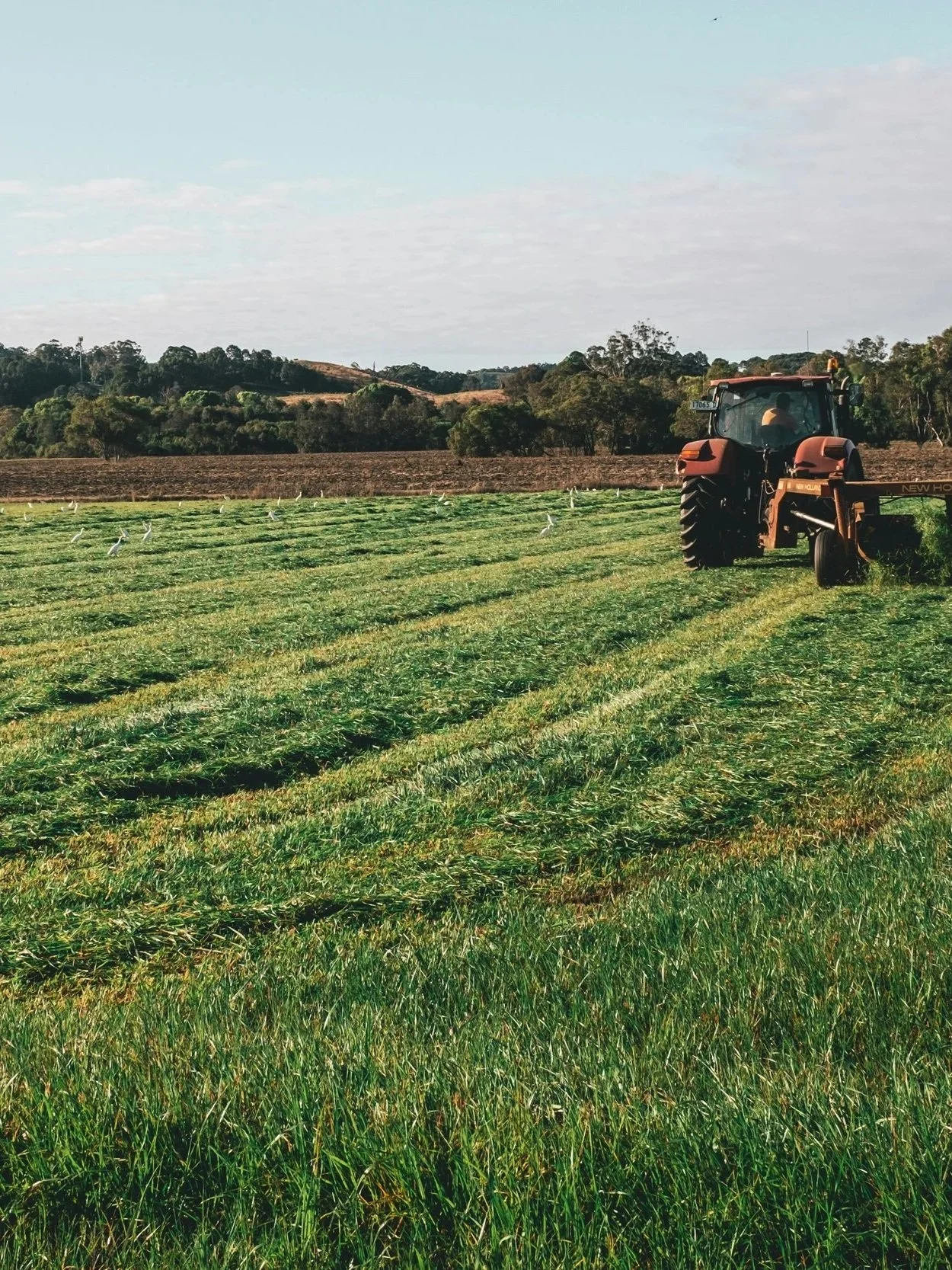
Agriculture covers 55% of Australian land use and accounts for around 18% of national emissions.
It also presents significant and immediate opportunities for carbon sequestration and other environmental benefits. This makes the agriculture land sector central to achieving Australia’s net zero transition.
Modelling from the Climate Change Authority indicates that emissions associated with agricultural production are expected to reduce by 28%, while carbon stores are expected to increase by 126% by 2050.
Realising these opportunities will require investment by landholders across a wide range of activities, technologies and land management practices. How that investment is financed will therefore be an important part of Australia’s broader transition.
The transition creates different financing needs
Agriculture already has a substantial finance market. Australian banks provide 93% of finance to the sector, with total lending growing by 80% between 2019 and 2025 to more than $140 billion. Rising farmland values have supported much of this growth.
However, green and transition finance has not scaled at the same rate.
The combination of increased debt and lower profitability makes it more difficult for landholders to invest in processes and/or assets that reduce carbon emissions, increase carbon sinks and build climate resilience at a time when this is critical to the sector's long-term viability.
Recent surveys indicate that up to 60% of farmers cite lack of capital as a barrier to farm decarbonisation. Yet, current approaches to agri-finance are not scaling to support landholders to make sustainable investments which involve high upfront costs and longer payback periods.
As a result, the adoption and/or deployment of fit-for-purpose finance solutions to enable landholders to transition has stalled.
Agriculture and Land Sector Transition Working Group
ASFI has established the Agriculture and Land Sector Transition Working Group comprising members from major capital providers, advisors, and public finance agencies. The Working Group has been established to inform the direction and outputs of the Financing the Agriculture and Land Sector Transition work program.


Observing Members


Work Programs
-
![parliament house canberra]()
Public Policy
ASFI is actively engaging with the Australian Government on a range of policy areas to support the flow of finance and investment for climate, nature, and social outcomes in Australia.
Leveraging our deep public sector expertise and strong government relationships, ASFI drives and supports policy reform for better climate and sustainability outcomes.
-
![Group of diverse professionals in business attire at a conference about Australia-China sustainable finance taxonomies, posing in front of a blue presentation screen with logos and text.]()
Sustainability Standards and Practice
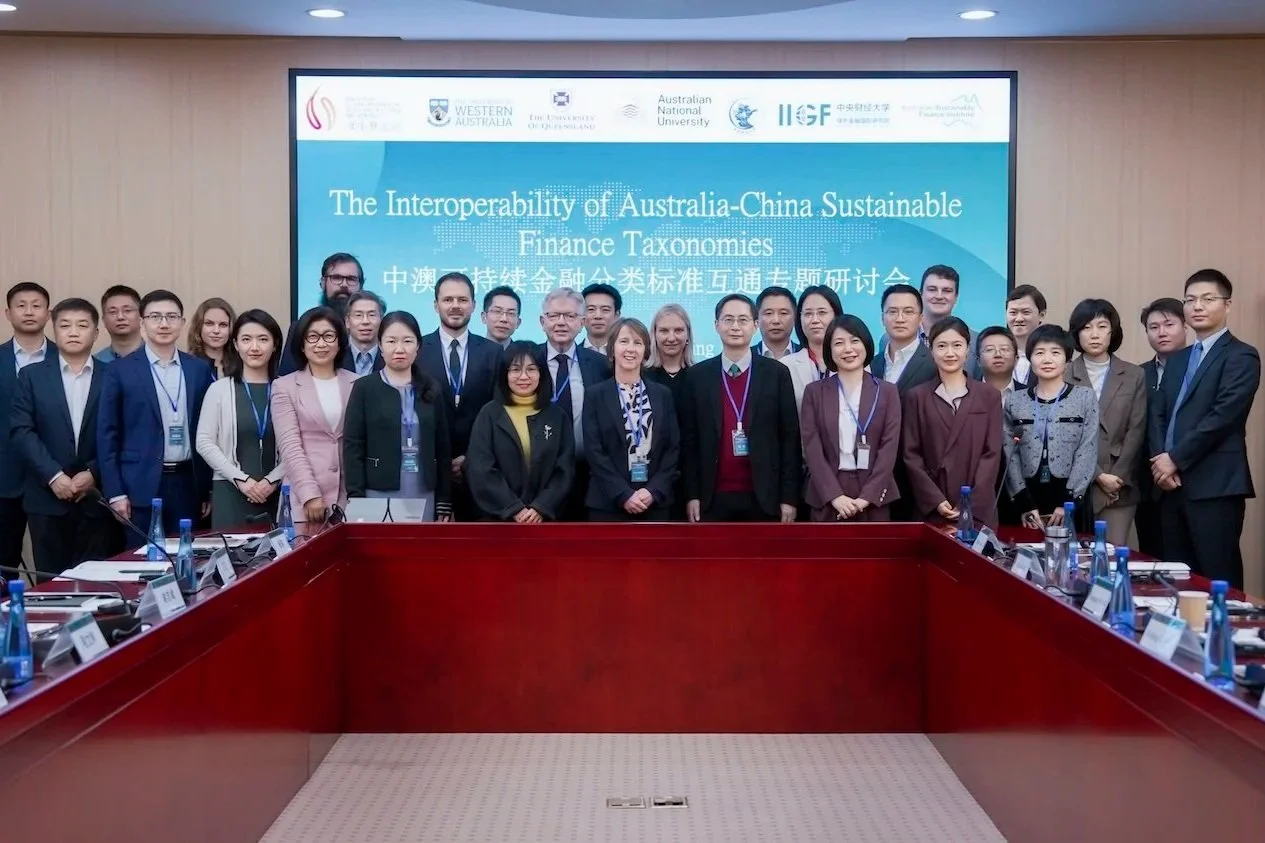
ASFI’s standards and practice work predominantly supports Australian financial institutions to pilot the Australian Sustainable Finance Taxonomy in practice.
ASFI works in partnership with the Australian Government and members to inform future guidance and uses, and on the international harmonisation of taxonomies.
ASFI is actively promoting Australia's approach to green and transition finance through a range of bilateral and multilateral fora, and as technical and private sector partner to the Australian Government.
-
![]()
Blended Finance
Blended finance, where public investment helps de-risk projects and crowd in private investment, is a key tool for decarbonisation and climate resilience. Effective blended finance structures to accelerate the flow of capital into projects and organisations that deliver sustainable outcomes.
This work program is being undertaken in partnership with Government, in particular the Department of Foreign Affairs and Trade (DFAT), and the ACCC has granted ASFI formal authorisation to work with institutions and governments on co-designing new blended finance structures.
-
![A large conference hall with a stage and two big screens, one displaying a welcome message and the other with a woman speaking. The audience is seated at round tables with red chairs, and there are floral decorations on the stage. The hall is ornate with tall columns and gold accents.]()
Leadership and Capability
ASFI is committed to embedding sustainability into leadership and practice across the financial services landscape, and is actively working to unlock financial institution skills, leadership, and ambition on sustainable finance.
Leadership is critical to sharpening organisational focus on sustainability, driving internal buy-in and culture, and facilitating action across the real economy. ASFI works in partnership with the Australian Government, members and others to deliver targeted courses, mentor programs, working groups, member delegations and a Capability Framework.
-
![Two men sitting on stage chairs engaged in a conversation, holding microphones, with a backdrop of lush green plants.]()
First Nations and Finance
ASFI is positioned to act as a partner to First Nations-led businesses, Peaks, projects, Nations and communities, as lasting impact depends on First Nations leadership being centred and supported, not substituted.
This approach embeds First Nations rights in financial decision-making; increases access to finance and support for First Nations communities and businesses; elevates First Nations perspectives and priorities across Australia’s financial system; and ensures more First Nations peoples in Australia benefit from economic self-determination.