Advancing Priority Actions on Financing Adaptation and Resilience: Background Paper
Australia’s exposure to physical climate risk is increasing in frequency, severity and systemic impact. Climate hazards are no longer isolated environmental events. They are emerging as material risks to productivity, insurance affordability, infrastructure reliability, asset values and fiscal stability.
Natural disasters currently cost the Australian economy around $38 billion per year, and under current trajectories this is projected to reach at least $73 billion annually by 2060. Extreme heat alone could reduce economic output by between $135 billion and $423 billion by 2063, depending on warming pathways.
Despite these signals, the majority of spending related to disasters in Australia remains reactive. Approximately 97 per cent of disaster-related expenditure is directed toward recovery rather than mitigation, reinforcing a system that responds after damage has occurred rather than reducing exposure in advance.
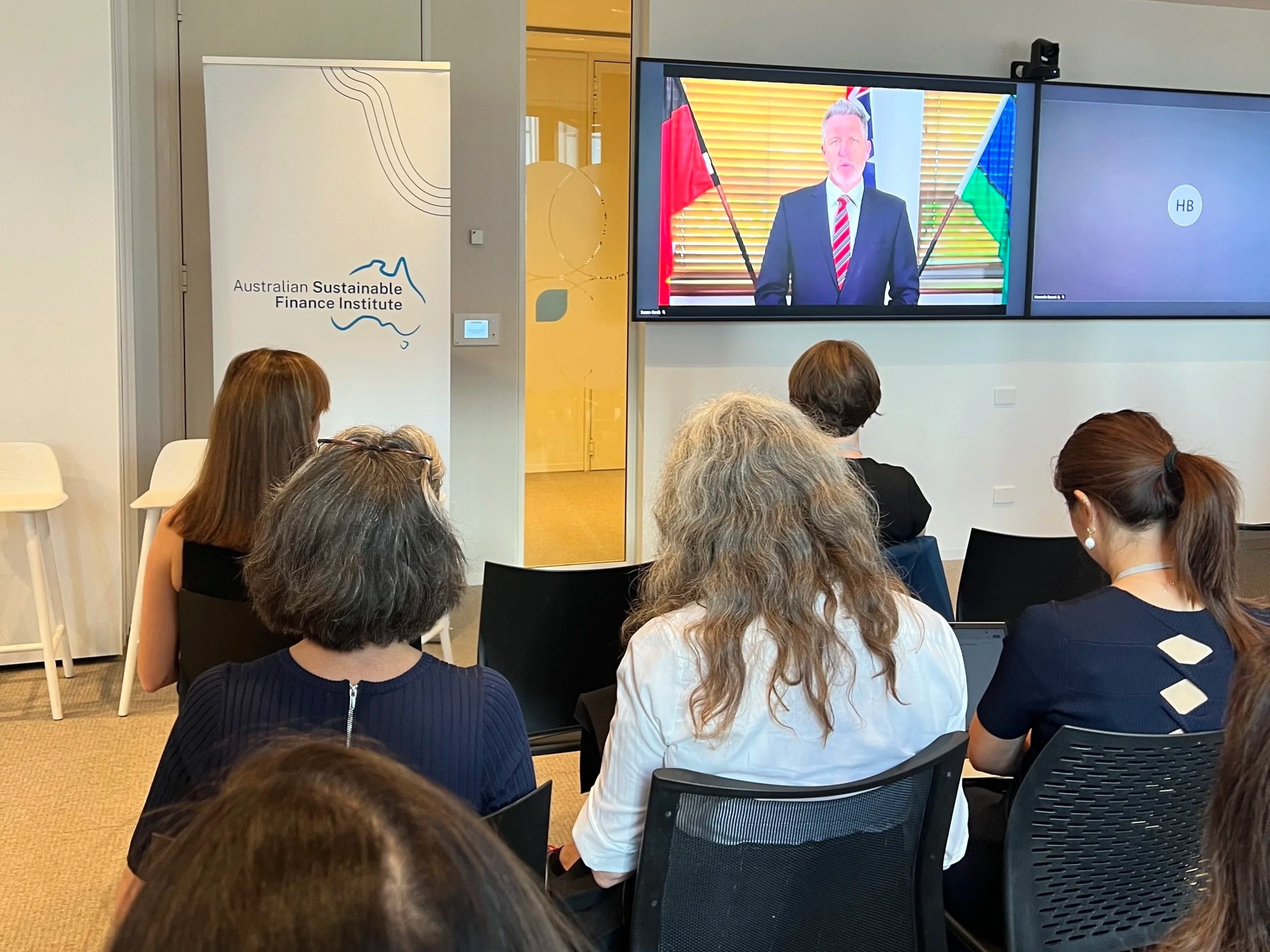
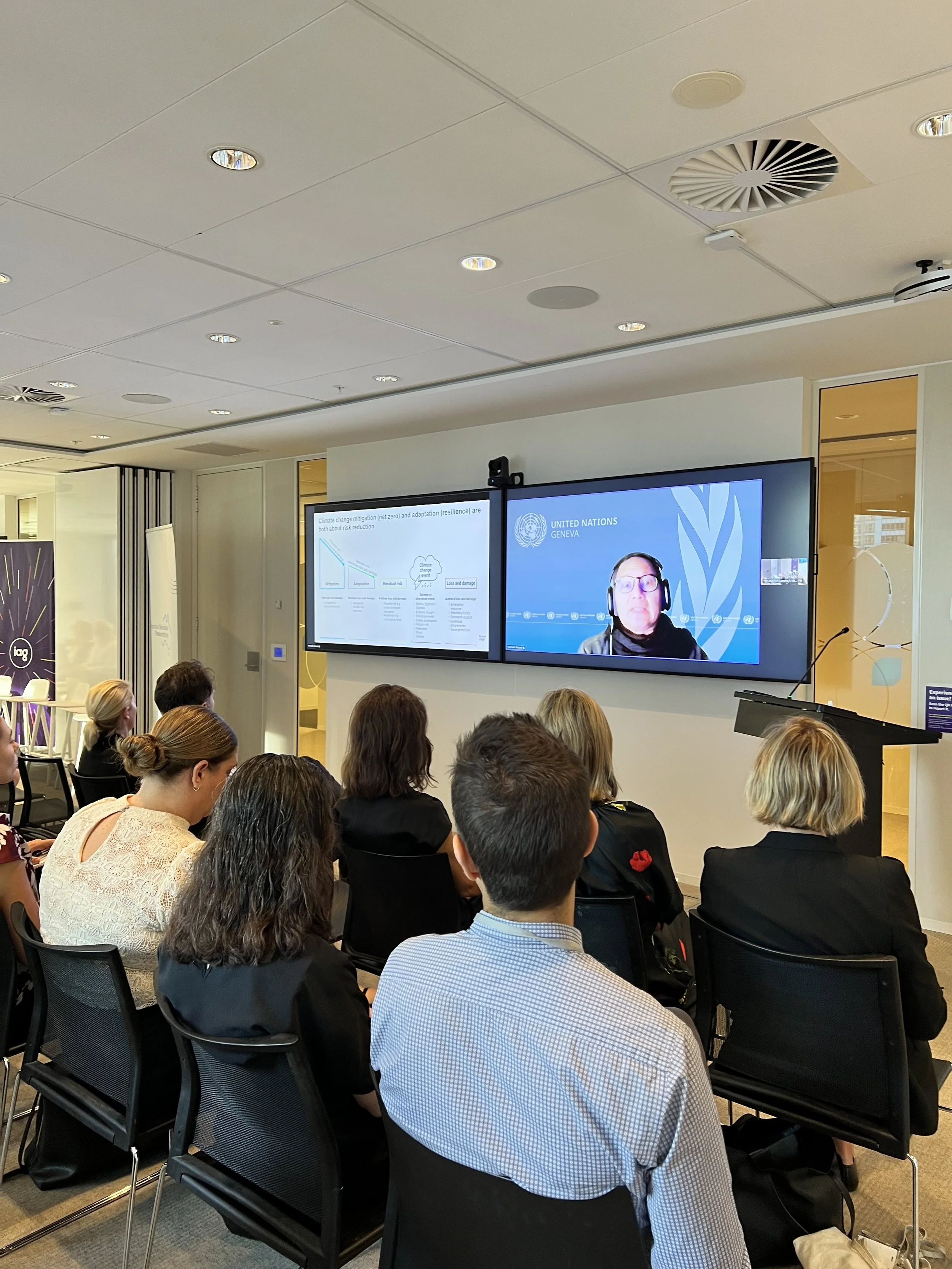
This background paper was prepared by the Australian Sustainable Finance Institute (ASFI) ahead of Climate Action Week Sydney 2026, to support discussion on the role of finance in advancing investment in climate adaptation and resilience.


The paper examines:
The economic and financial system risks associated with escalating physical climate impacts
Structural barriers limiting investment in adaptation and resilience
The role of financial institutions, insurers and capital markets
Priority actions to help mobilise capital toward resilience investments