Australian Sustainable Finance Taxonomy
The Australian Taxonomy is national framework to identify sustainable activities, assets and projects across the Australian economy. It creates a common language between corporations and financial institutions, reducing transaction costs, supporting transparency and reducing greenwashing.

A framework for classifying sustainable activities, assets and projects across the Australia economy
The Australian Taxonomy improves the quality and comparability of information on sustainability to support the allocation of capital towards activities that enable Australia’s net zero ambitions.
The benefits of a sustainable finance taxonomy
Sustainable finance taxonomies reduce transaction costs associated with case-by-case assessments of climate change mitigation credentials, supporting transparency and enabling objective verification of green and transition claims.
Sustainable finance taxonomies strengthen investor confidence in claims, mitigate greenwashing, and make it easier to compare investment products and sustainability disclosures both within and across jurisdictions.
Sustainable finance taxonomies strengthen investor confidence in claims, mitigate greenwashing, and make it easier to compare investment products and sustainability disclosures both within and across jurisdictions.
Why Australia needs its own taxonomy
While the European Union taxonomy is viewed by many in the market as the benchmark taxonomy, it does not cover key sectors of importance to Australia, like mining, critical minerals and agriculture.
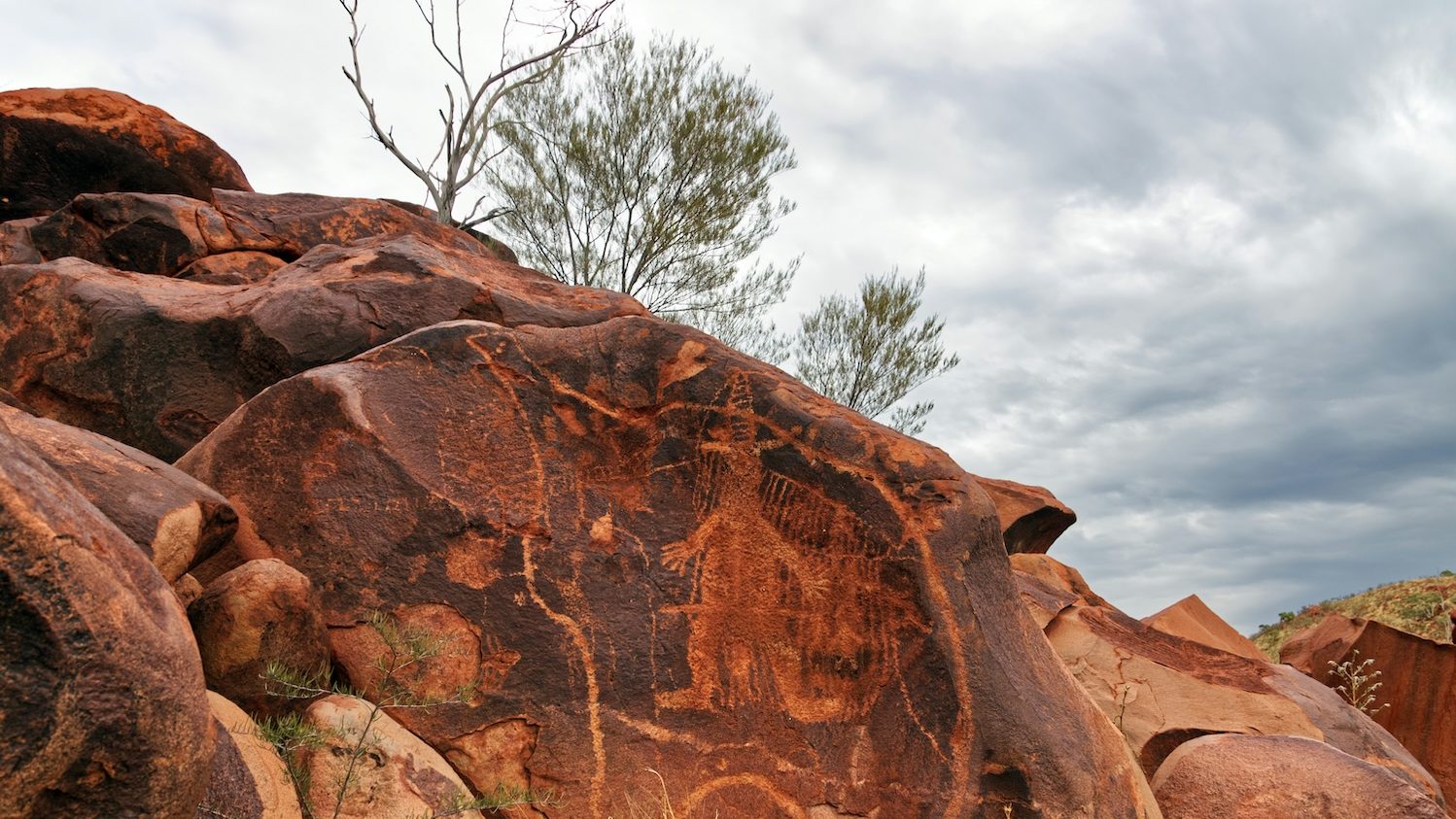
The Australian Taxonomy builds and expands on the EU taxonomy’s approach while covering key sectors including green mining, metals and minerals and agriculture and has an explicit focus on credible transition activities. It is also the first taxonomy in the world to set expectations for engagement with First Nations peoples and the management of cultural heritage.
The Australian Taxonomy builds and expands on the EU taxonomy’s approach while covering key sectors including green mining, metals and minerals and agriculture and has an explicit focus on credible transition activities. It is also the first taxonomy in the world to set expectations for engagement with First Nations peoples and the management of cultural heritage.
What sustainability objectives does the Australian taxonomy cover?
The Australian Taxonomy has six environmental objectives:
- Climate Change Mitigation
- Climate change adaptation and resilience
- Biodiversity and ecosystem protection
- Sustainable use and protection of water resources
- Pollution prevention and control
- Transition to a circular economy Currently the Australian Taxonomy has substantive criteria for climate change mitigation activities across all major sectors of the Australian economy to support the allocation of capital towards activities that enable Australia’s net zero ambitions.
How is the taxonomy governed?
ASFI developed the Australian Sustainable Finance Taxonomy in partnership with the Australian Government. During its development, governance oversight was provided by the Council of Financial Regulators’ Climate Working Group, supported by the Taxonomy Technical Expert Group and sector- and subject-specific advisory groups. View the taxonomy’s development governance arrangements.
ASFI is now custodian of the Australian Taxonomy, responsible for supporting market implementation, maintaining and updating the framework, expanding its coverage and advancing international interoperability. View the ongoing governance arrangements.
ASFI is now custodian of the Australian Taxonomy, responsible for supporting market implementation, maintaining and updating the framework, expanding its coverage and advancing international interoperability. View the ongoing governance arrangements.
How is the Australian taxonomy kept up to date
Under the ongoing governance arrangements, the Australian Taxonomy Steering Committee has endorsed an amendments protocol that enables both minor and major updates to the Taxonomy in accordance with the procedures set out in the protocol.
Access the amendments protocol or learn more about the ongoing governance arrangements.
Access the amendments protocol or learn more about the ongoing governance arrangements.
Australian Taxonomy
Development & Implementation
Taxonomy Research




Taxonomy News



Resources
Media Release
Taxonomy Fact Sheet
Attachment A: Construction and Buildings: Emissions and Energy Intensity Targets
Australian Sustainable Finance Taxonomy Release Webinar
Watch the Australian Sustainable Finance Taxonomy Release Webinar here